I am heading back to “shamba” (HOCET’s school in Mkuranga) later this afternoon. It will be a short visit. I am bringing my friend Sarah, who is here visiting me for 2 weeks. I want to share a few pictures and stories from my last weekend trip to shamba.
I always enjoy my time at the school. I love spending time with the students, hanging out in the girls’ dormitory, worshipping with the students, and now there are two specific areas that I am interested in encouraging.
One is student gardens. We have a lot of land at the school. There is much space and lots of opportunity to grow different crops. We have a large field of cassava and coconut trees right now. These were planted in June with the help of the group from my church, First Assembly. Here are a few pictures of that field.


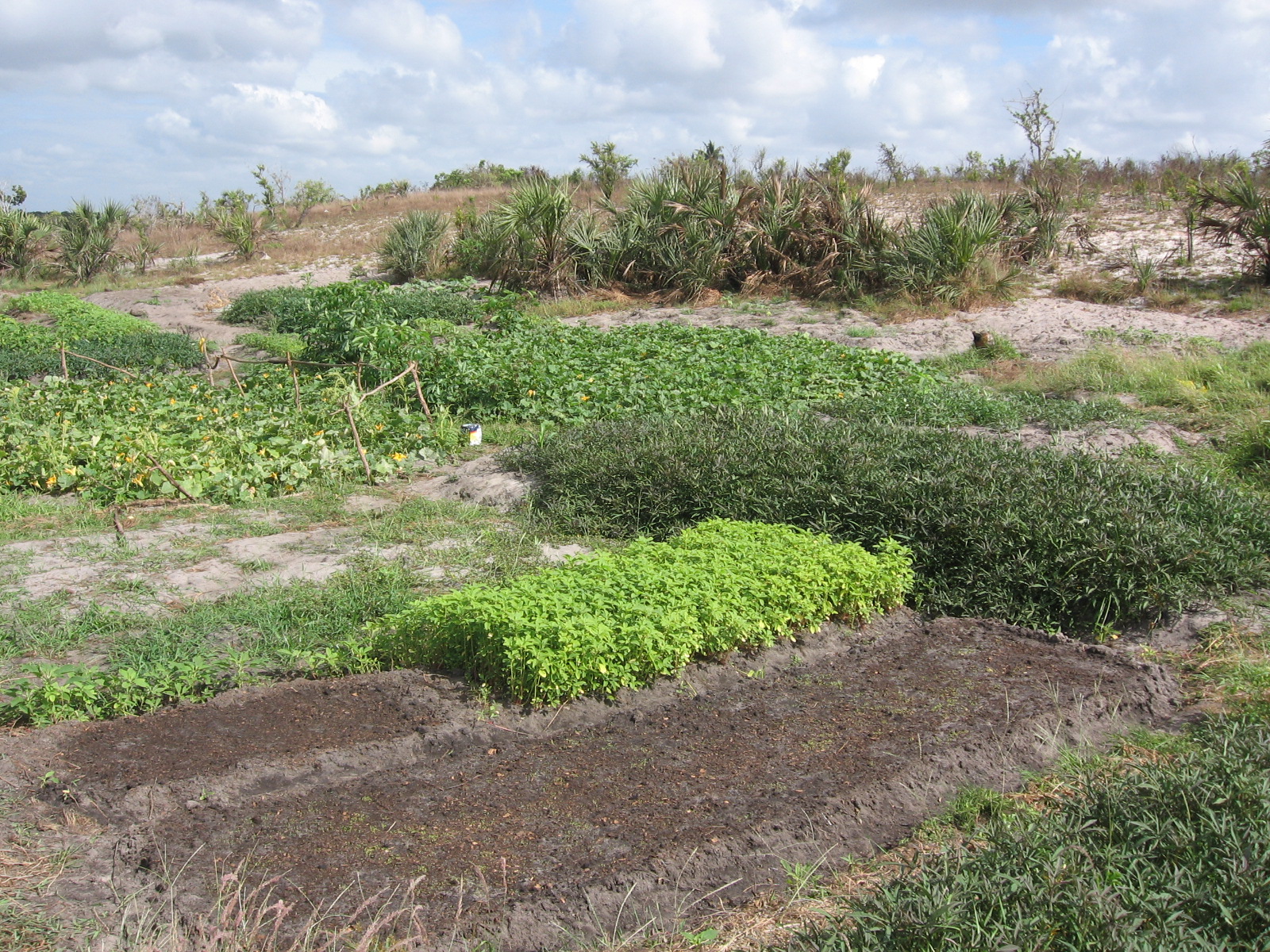
The cassava and coconuts are maintained by one of the school staff members. Beyond this some students have their own personal gardens right by the river. Some work in pairs to plant and maintain their crops. I was encouraged by the growth of the plants that was obvious between my trip in September and my trip in October. The students irrigate their own crops and harvest them. One night with dinner I got to try mchicha, a leafy vegetable that many of the students are growing. It was delicious and a nice addition to the standard ugali and beans. The next day a few of the students harvested enough leaves so that everyone got to have some veggies with their meal. I love gardening itself, but gardening at the school is even more exciting because it adds very needed nutrition to their diets. Below are some of the student gardens.
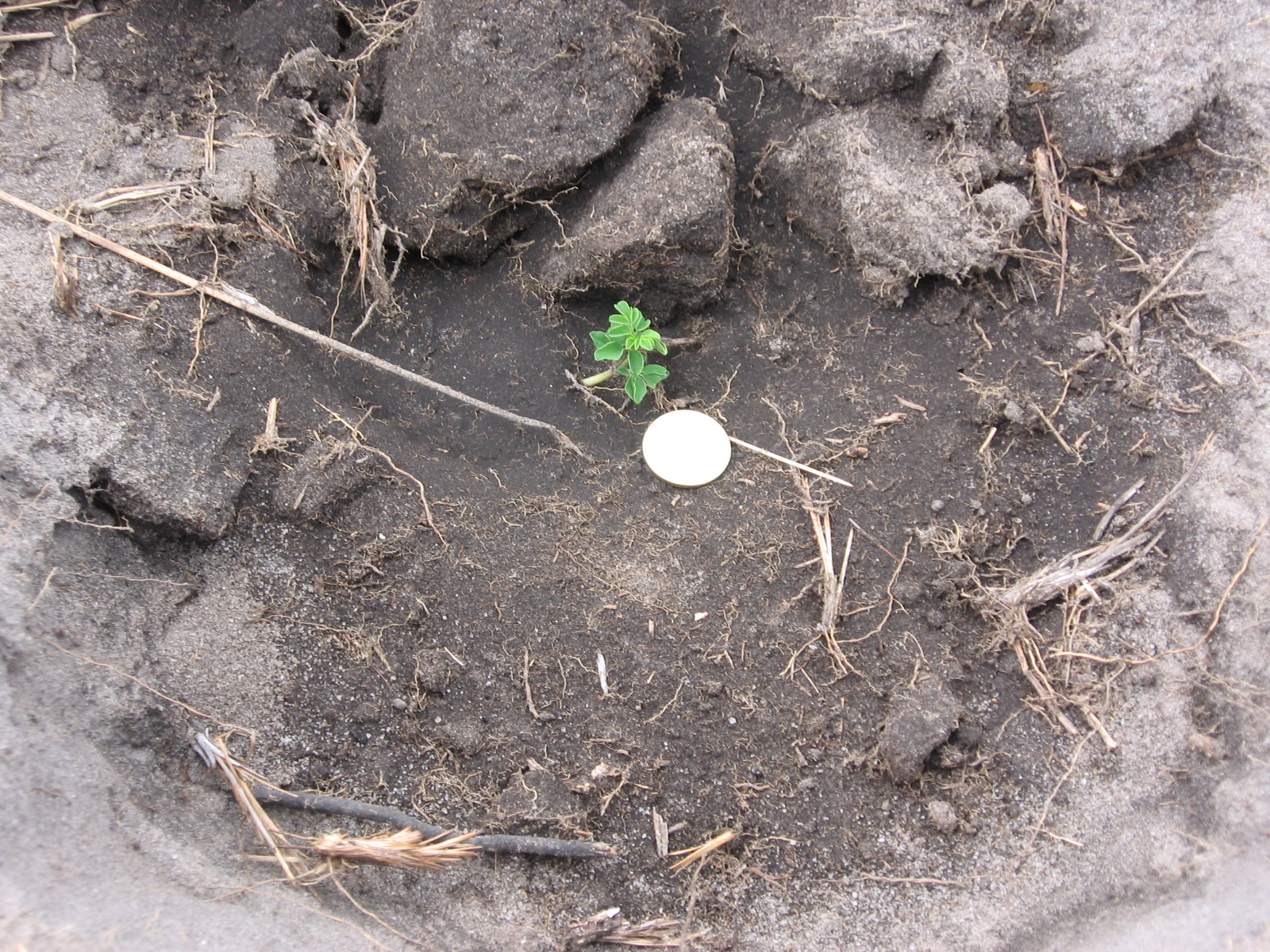
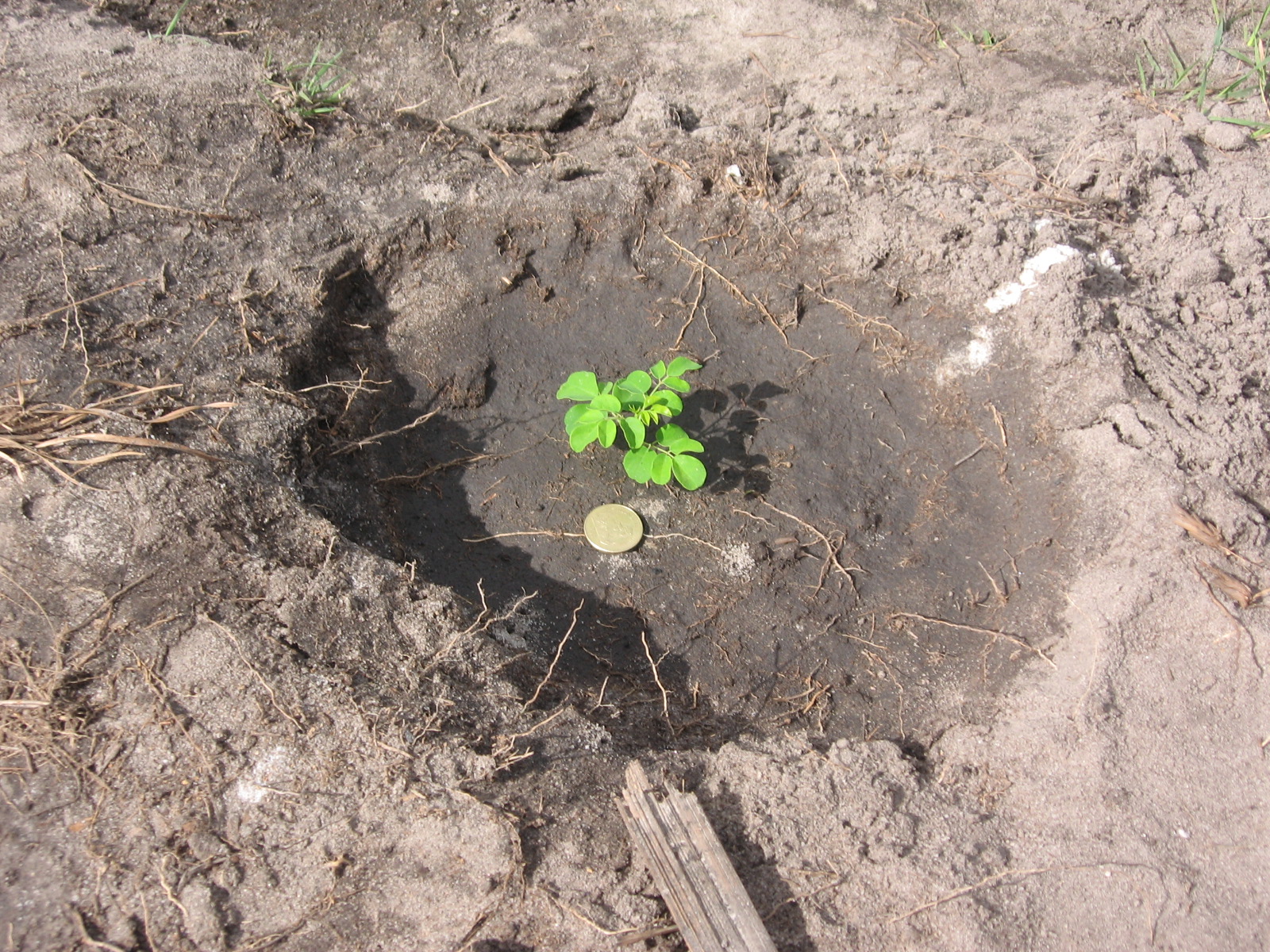
The last time I went I had given the students some seeds of plants they had never planted before. Among those seeds were moringa (Mlonge in Swahili) seeds. I very much look forward to the day where we have many, many, many moringa trees planted at the school. Moringa has so many amazing characteristics. The leaves are highly nutritious and the seeds can be used to purify water. You can also use parts of the tree for medicinal purposes. It can even be used to treat a common skin fungus that the students get. So, I was thrilled to see 5 little moringa trees that had sprouted. Here is one of the little moringa plants.
If you want to learn more about moringa check out www.moringa.com.
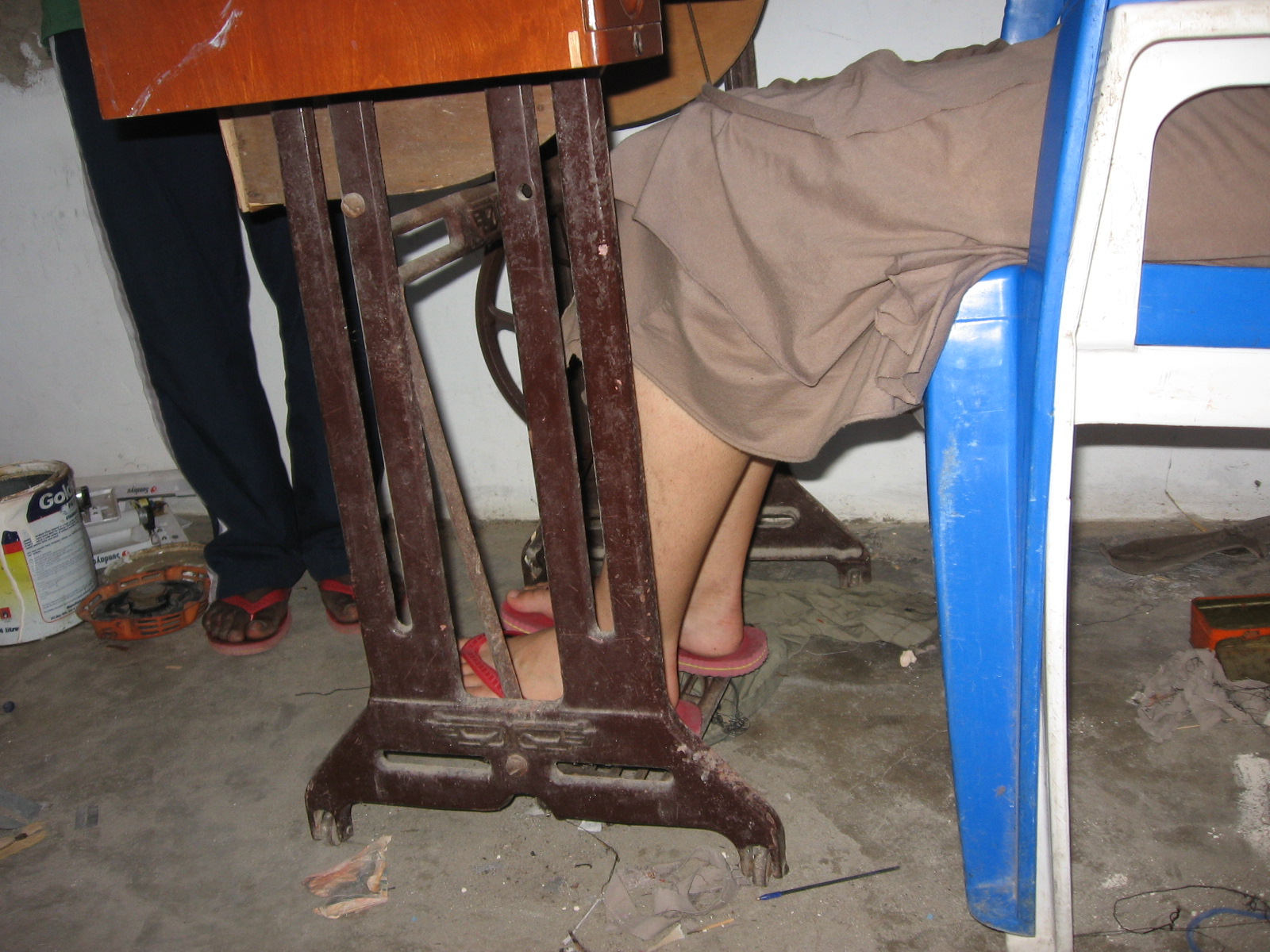
The other area I am interested in encouraging is sewing. Some sewing machines were donated a few years ago. I was disappointed to see that they were not in good condition when I arrived in June. But, was excited when I was at the school in September and saw that Damas had one of the sewing machines out and was starting to fix it. One this last trip I not only got to see the sewing machine in working order and being used, but I got to use it myself. It was my first time sewing with a manual machine, without electricity. It’s different, but it works. I am excited for many more days of using this sewing machine. The first sewing project I am doing is teaching some of the female students how to make re-useable, fabric menstrual pads. I brought some samples on the last trips and the girls were excited and interested in learning how to make them also. Feminine products are not always available and therefore the possibility of having pads that can be washed and reused is appealing to the girls. And an added benefit is less waste produced at the school.

Over the past few years I personally have really enjoyed both gardening and sewing and these are things I would like to further develop, and I am thrilled to support and encourage students at our school who have interest in these areas also.
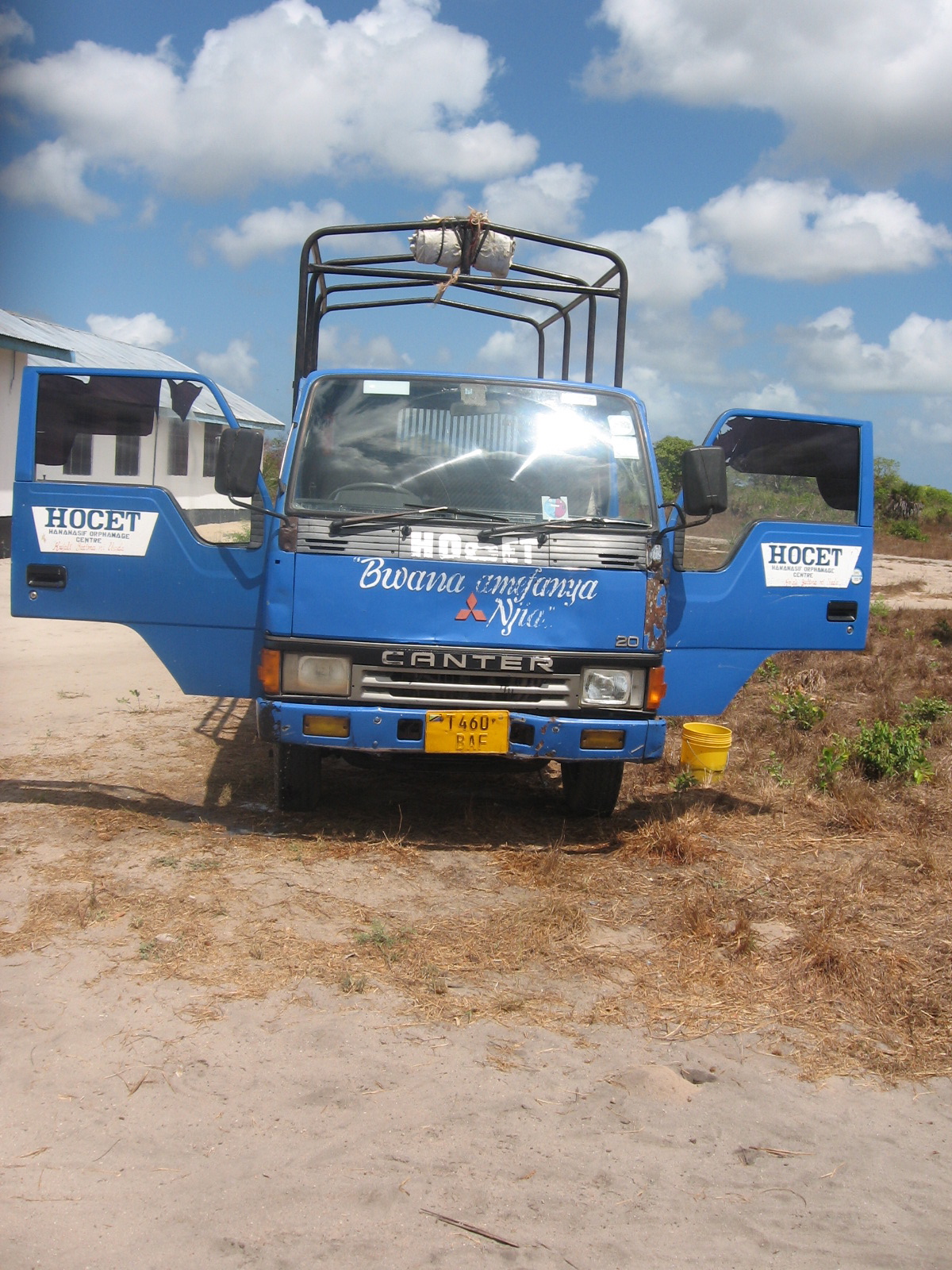
A reminder that our school is isolated. I got a ride on the truck on the way back to the city after my weekend at the school. It was election day in Tanzania. So, the truck took a different route in order to drop some students off in Funza, a nearby village, so they could vote. Can you imagine walking 45 minutes to go cast your vote?
On this new route there were times that we ere driving in the large truck through paths are were made by motorcycles…not cars, let along large trucks. Then there were times when Uswege, the driver, just drove through the bush leaving even the motorcycle path behind. The normal route has a little bit of this, but this route was a little more intense, including driving through the river. Yes it is dry season and the river was low, but it is still a little crazy to me that we just drove through the river. Due to the rugged terrain we had to stop so they could fix something underneath the truck that was hanging too low, possible because we had driven over large shrubs and small trees.


 Following Iris
Leave a reply to gvillecw Cancel reply